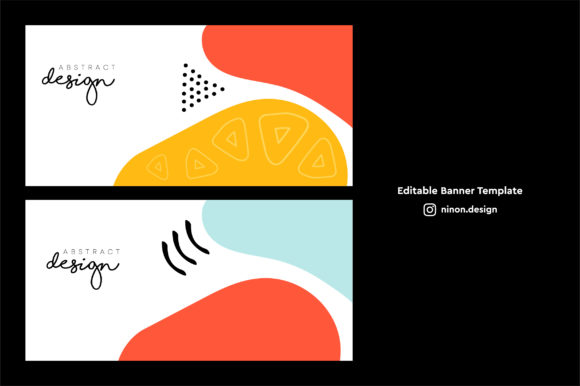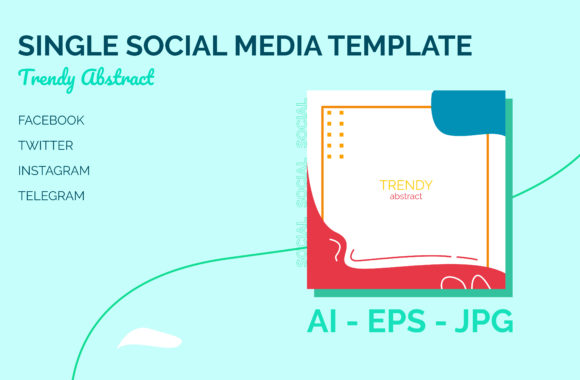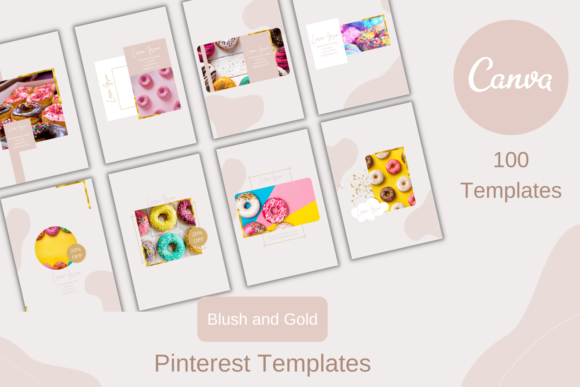
Soft & Abstract Watercolor Background Texture Templates
Finding the right foundation for a design project is often the hardest part. You need something that feels artistic and unique, yet versatile enough to carry a brand message without overpowering the text. This is where abstract, colorful watercolor texture templates shine. They offer a blend of organic softness and modern energy that rigid geometric patterns simply cannot replicate. For designers and entrepreneurs looking to add a touch of elegance to their work, a high-quality watercolor background serves as a crucial building block for visual storytelling.
The Anatomy of a Professional Texture Asset
When investing in design assets, file quality is non-negotiable. A professional template needs to be more than just a pretty picture; it must be a functional tool. This particular collection features a "Vector Eps (cc)" format, which is the gold standard for scalability. Unlike standard raster images that pixelate when enlarged, vector files allow you to scale the texture to fit a massive billboard or shrink it down for a tiny business card without losing fidelity. This ensures your brand identity remains crisp across all mediums.
Organization is another hallmark of a premium asset. The description notes that "The layers are neatly arranged in a folder." For a working designer, this is a lifesaver. It means you aren't spending hours isolating elements or masking out sections you don't want. You can dive straight into the creative phase. Furthermore, the inclusion of both EPS CC and high-resolution JPG files in the zip package offers flexibility. You can manipulate the vectors in Illustrator for deep customization or use the JPGs for quick mockups and web layouts.
Versatility in Application: From Wedding Invitations to Corporate Reports
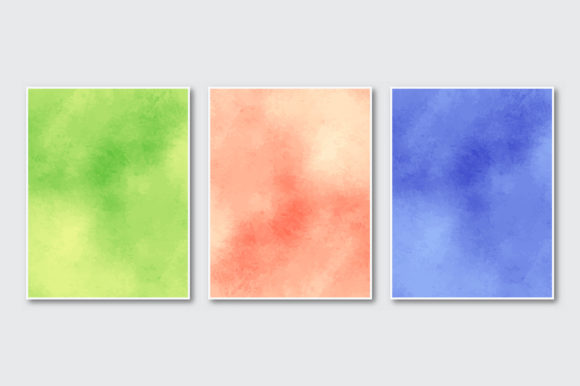
The true power of a watercolor texture lies in its adaptability. The visual personality of this template—abstract and colorful—strikes a balance between playful and sophisticated. It isn't so specific that it only works for a children’s party, nor is it so muted that it becomes boring. This makes it an exceptional choice for a wide range of creative projects.
Consider the world of event planning and stationery. A wedding invitation card set against a soft watercolor wash immediately evokes romance and artistry. The organic shapes mimic the flow of nature, setting a tone that is intimate and personal. However, the application shifts seamlessly into the corporate sphere. Imagine an annual report or a brochure for a wellness brand. Using this texture as a background element softens the hard data, making the information more approachable for the reader. It adds a layer of humanity to the editorial design, preventing the layout from feeling sterile.
For small business owners and marketers, consistency is key. Because the objects and colors in this template are fully editable, you can adjust the hue to match your specific brand palette. A pink and gold watercolor might be perfect for a boutique bakery, while a blue and teal variation could work wonders for a spa or a tech startup aiming for a friendly, approachable web design. This flexibility extends to packaging design, where a unique texture can make a product pop on a crowded shelf.
Influencing Brand Perception and Visual Hierarchy
Textures do more than fill white space; they influence how an audience perceives your message. In modern typography, there is a strong trend toward pairing organic backgrounds with clean, sans-serif fonts. Using a watercolor texture creates a stark contrast that actually improves readability. When you place crisp, white text over a colorful, textured background, the text pops forward, creating a strong visual hierarchy.
This approach is particularly effective for social media graphics. In a fast-scrolling environment, a static, plain background often gets ignored. A dynamic watercolor background catches the eye and stops the scroll. It signals that the content is creative and worth engaging with. Whether you are designing a poster for a local art fair or a digital ad for a new product launch, the texture adds a level of professionalism that suggests high value.
Practical Guide to Integration
To get the most out of Watercolor Background Texture Templates, you need to think like a strategist, not just an artist. Here is a practical approach to integrating these assets into your workflow:
- Evaluate the Context: Before applying the texture, look at the density of your text. If you are designing a booklet or a document with heavy copy, use the watercolor as a border or a header accent rather than a full-bleed background. This ensures the text remains legible while still benefiting from the artistic flair.
- Test Font Pairings: The "softness" of watercolor pairs exceptionally well with structured typefaces. Try pairing the texture with a bold sans serif font for headers to create a modern look. Alternatively, pairing it with a delicate script font or handwritten font can amplify the artistic, personal feel, which is ideal for logo design or personal stationery.
- Color Grading: Since the template is editable, take the time to desaturate the colors slightly if you are aiming for a corporate look. Conversely, amp up the saturation for creative font projects or festival posters. The ability to edit the colors ensures the asset works for you, not against you.
- Layering Techniques: Don't just slap the image down. Use layer blending modes in your design software. "Multiply" can create a rich, textured look, while "Screen" can add a subtle, ethereal glow. This technique is essential for high-end digital and print projects.
Final Thoughts on Creative Assets
In the crowded landscape of digital design, standing out requires a mix of strategy and aesthetics. Watercolor Background Texture Templates provide a shortcut to high-end design without the hours of manual painting. They offer a commercial font compatible background that enhances brand perception and drives audience engagement. By utilizing the organized layers and editable vectors, you can maintain a consistent, professional look across all your marketing materials, from the smallest business card to the largest poster. It is about finding the right tools to execute your vision efficiently and beautifully.